The Allure of Chance
The psychology behind casino gambling often starts with the allure of chance. Many individuals are naturally drawn to situations where they can experience excitement and unpredictability. The thrill of not knowing whether you will win or lose can create a rush akin to an adrenaline high. This rush is particularly enticing in casino environments, where vibrant lights and sounds stimulate the senses and amplify the emotions tied to risk-taking. Players are often captivated by the idea of a life-changing win, which can overshadow the reality of losing bets. In this context, the prospect of winning becomes a powerful motivator that keeps players engaged, sometimes leading them to wager more than they initially intended, especially when they explore options like online casino australia for their gaming experience.
This engagement with chance also taps into a broader human fascination with randomness. Behavioral economics suggests that many individuals tend to underestimate the role of luck and overestimate their skills. This cognitive bias, known as the illusion of control, leads gamblers to believe they can influence the outcome of games that are inherently based on chance. Such perceptions can result in persistent gambling behaviors, with players believing that their strategies or previous successes might predict future outcomes, even in games devoid of skill. The allure of chance ultimately becomes a double-edged sword, as it can entice players to gamble frequently while simultaneously distorting their understanding of risk.
Moreover, the emotional aspect of gambling cannot be overlooked. When individuals gamble, they often do so to escape everyday stressors or to seek thrills that are missing from their routine lives. The casino environment acts as a temporary refuge, providing an exhilarating break from daily monotony. This emotional escape can drive gamblers to continue playing, even when they are aware of the detrimental effects it may have on their finances or personal relationships. The combination of excitement and escapism creates a potent cocktail that can lead to prolonged gambling sessions, reinforcing the cycle of risk and reward that defines the gambling experience.
The Role of Social Dynamics
Social dynamics play a crucial role in the psychology of casino gambling. Many people enjoy the communal aspects of gambling, where the presence of others can enhance the overall experience. Engaging with fellow players can foster a sense of camaraderie, as shared experiences—whether winning or losing—create bonds among participants. This social interaction can lead individuals to gamble more, as the group atmosphere encourages prolonged play and increased investment in the game. The thrill of celebrating wins together or commiserating over losses can create a sense of belonging that is hard to resist, further entrenching individuals in their gambling habits.
Furthermore, peer pressure can significantly influence gambling behavior. In social settings, individuals may feel compelled to conform to the gambling habits or spending patterns of their peers. This influence can lead to excessive gambling, particularly among younger players who may be more susceptible to social pressures. The excitement of being part of a group can override personal financial caution, leading to decisions that individuals might not make when alone. The social dynamics of gambling can create a feedback loop where the desire to fit in fuels increased gambling activity, often resulting in negative consequences for those involved.
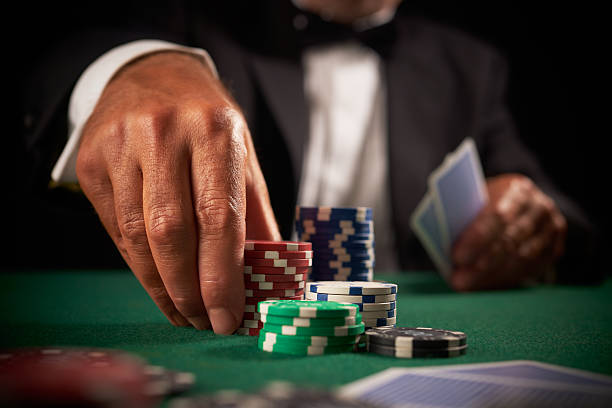
The social aspect of gambling extends beyond immediate peers to larger cultural narratives surrounding casinos and gambling. For many, casinos represent not just a place for games, but a celebration of thrill and excitement that is often glamorized in media. This cultural framing can reinforce the idea that gambling is a socially acceptable risk, further encouraging individuals to participate without fully considering the potential consequences. The portrayal of gambling as an adventurous and glamorous pursuit can obscure the serious risks involved, making it all the more enticing to a wide audience.
Addiction and Compulsion
The darker side of gambling psychology involves addiction and compulsion. For some individuals, the excitement associated with gambling can morph into a compulsive behavior that is difficult to control. The National Council on Problem Gambling defines this condition as a persistent and recurrent problematic gambling behavior leading to significant distress or impairment. The thrill of winning can create a feedback loop where the individual continually seeks that high, despite the negative repercussions, such as financial loss and strained relationships. For those trapped in this cycle, the pursuit of the next big win can overshadow the reality of their situation, leading to devastating consequences.
Understanding the psychological mechanisms underlying gambling addiction sheds light on how it develops. For instance, many individuals with gambling problems report experiencing feelings of euphoria during gambling sessions, which can supersede their logical reasoning. This euphoric state triggers the brain’s reward system, flooding it with dopamine—the neurotransmitter associated with pleasure. Over time, this reward response can lead to a dependency on the stimulation provided by gambling, resulting in a compulsive need to continue despite adverse effects. Recognizing the signs of addiction is crucial for individuals who may be on the brink of losing control over their gambling habits.
Addressing gambling addiction requires a multifaceted approach, including therapy, support groups, and sometimes medication to help regulate mood and reduce compulsive behaviors. Cognitive-behavioral therapy (CBT), for example, has proven effective in changing the thought patterns associated with gambling addiction. These interventions focus on helping individuals recognize and alter the behaviors and beliefs that contribute to their gambling problems, thereby fostering healthier coping mechanisms for their emotional and psychological needs. By confronting the underlying issues and implementing strategies for change, individuals can reclaim control over their lives and make more informed decisions regarding gambling.
The Influence of Marketing and Environment
The casino environment itself is meticulously designed to enhance the gambling experience. From the layout of the floor to the use of colors and lighting, every element aims to maximize player engagement. Casinos often employ psychological principles to keep players in a heightened state of arousal, which can encourage longer sessions of play. Bright lights, enticing sounds, and seemingly endless rewards are strategically utilized, creating an atmosphere that feels more like a celebration than a gamble. This carefully crafted environment can make it difficult for individuals to leave, as they become entranced by the sensory overload that casinos provide.

Moreover, marketing tactics employed by casinos play a significant role in attracting patrons and encouraging repeat visits. Promotional offers, such as free spins or bonus credits, are designed to create an illusion of value and entice players to gamble more. These promotions often target the psychological triggers associated with loss aversion, where players feel compelled to continue betting to regain perceived losses or to take advantage of the next big win that they believe is just around the corner. This relentless focus on promotions can keep players engaged longer than they might have intended, blurring the lines between entertainment and compulsion.
Casinos also utilize loyalty programs that tap into the psychology of commitment. When players sign up for rewards, they naturally feel more inclined to continue gambling to earn those benefits. This strategy ensures that players invest more time and money into the gaming experience, often leading them to overlook their spending habits. The combination of environmental psychology with marketing strategies creates a powerful mechanism that draws individuals further into the gambling world, often against their better judgment. As players navigate this enticing landscape, it becomes increasingly important for them to remain aware of their spending and the potential pitfalls of excessive gambling.
Understanding Gambling through Online Resources
As the landscape of gambling evolves, understanding the psychology behind it is more crucial than ever. Online resources are a valuable tool for individuals seeking to grasp the nuances of gambling behavior, addiction, and responsible play. Many websites provide insights into the psychological triggers associated with gambling, educational articles on how to recognize problematic behavior, and resources for those seeking help. These platforms can empower individuals with knowledge and awareness, enabling them to make informed decisions about their gambling habits.
These platforms often host forums and communities where individuals can share their experiences and support one another in overcoming gambling challenges. The anonymity of online interactions can free individuals from the stigma often associated with gambling addiction, allowing for open discussions and the sharing of coping strategies. This supportive environment is essential in creating awareness and fostering healthier attitudes toward gambling. By learning from others’ experiences, individuals may find new perspectives that help them navigate their own gambling journeys.
Furthermore, as online gambling continues to rise, educating oneself about the psychological aspects of the activity has never been more vital. Websites dedicated to gambling psychology can offer guidance on how to navigate the temptations of online gaming, highlighting the importance of setting limits and recognizing when gambling behavior becomes harmful. By utilizing these resources, individuals can arm themselves with knowledge and tools to engage in responsible gambling practices and mitigate the risks associated with this fast-paced environment. Ultimately, informed players are better equipped to enjoy gambling as a form of entertainment without succumbing to its potential pitfalls.